
Listen to this article
Browser text-to-speech
La ventaja analítica del millón de dólares
Conoce a Sarah y Mike, ambos de 30 años y con $50,000 para invertir. Sarah aprende técnicas adecuadas de análisis de acciones e investiga minuciosamente las compañías, mientras que Mike compra acciones basándose en consejos e intuiciones. Tras 10 años, la cartera de Sarah vale $180,000, mientras que la de Mike vale $65,000. ¿La diferencia? El enfoque sistemático de Sarah para analizar acciones le permitió identificar compañías de calidad y evitar errores costosos.
Los números que deberían despertarte:
- Los inversionistas que emplean técnicas adecuadas de análisis superan al mercado en 200-300% (Graham & Dodd)
- El inversionista promedio pierde dinero debido a análisis deficientes y decisiones emocionales (Dalbar)
- Un análisis de acciones riguroso puede aumentar tu tasa de éxito en 400-500%
La historia del inversionista analítico: El enfoque sistemático de Sarah para analizar acciones le ayudó a construir riqueza mientras evitaba los errores comunes que destruyen los rendimientos de la mayoría de los inversionistas.
Comprender los fundamentos del análisis de acciones
¿Qué es el análisis de acciones?
La definición sencilla: El análisis de acciones es el proceso de evaluar la salud financiera de una empresa, sus perspectivas de negocio y su posición en el mercado para determinar si su acción es una buena inversión.
La escala: Los analistas profesionales pasan miles de horas investigando compañías, pero los inversionistas individuales pueden usar técnicas simplificadas para tomar decisiones informadas (CFA Institute).
La historia del proceso analítico: Cuando analizas una acción, básicamente intentas responder una pregunta: ¿vale esta empresa más que el precio actual de su acción? Esto implica revisar estados financieros, comprender el negocio y evaluar las condiciones del mercado.
Componentes clave del análisis:
- Análisis fundamental: Finanzas corporativas y perspectivas del negocio
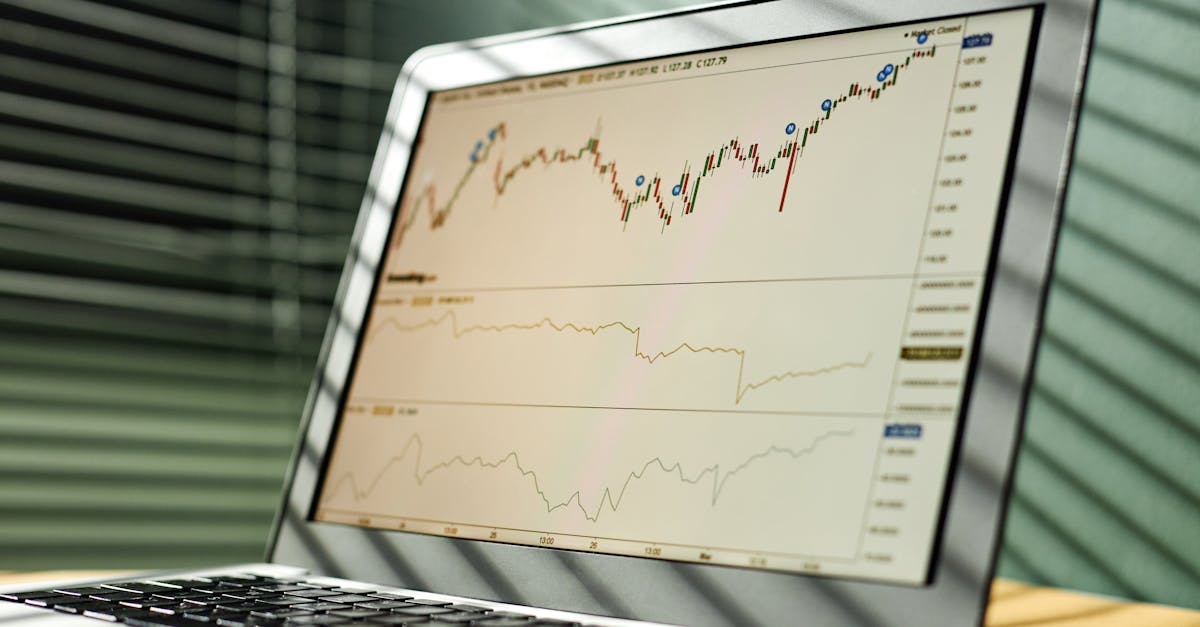
- Análisis técnico: Patrones de precio y sentimiento del mercado
- Análisis cualitativo: Dirección, posición competitiva y tendencias de la industria
- Evaluación de riesgos: Posibles desventajas e incertidumbres
- Valoración: Determinar el valor justo
Los dos enfoques principales
Análisis fundamental: Se enfoca en las finanzas de la empresa y en los fundamentos del negocio.
La historia del analista fundamental: David, un inversionista de 35 años, pasó semanas analizando los estados financieros, la posición competitiva y las perspectivas de crecimiento de una empresa tecnológica. Su análisis minucioso le ayudó a identificar una acción que cotizaba al 50% de su valor intrínseco.
Análisis técnico: Se centra en los patrones de precio y el sentimiento del mercado.
La historia de la analista técnica: Jennifer, una operadora de 28 años, utilizó gráficos e indicadores técnicos para identificar puntos de entrada y salida. Su análisis técnico le permitió sincronizar sus operaciones con eficacia.
Enfoques de análisis:
- Fundamental: Estados financieros, modelo de negocio, posición competitiva
- Técnico: Gráficos de precio, patrones de volumen, indicadores técnicos
- Combinado: Uso de ambos enfoques para tomar mejores decisiones
- Cuantitativo: Modelos matemáticos y ratios
- Cualitativo: Calidad de la dirección, tendencias sectoriales, ventajas competitivas
Consejos de análisis fundamental
Consejo 1: Domina los estados financieros
El enfoque fundacional: Comprender los estados financieros es la piedra angular del análisis fundamental.
La historia del analista financiero: Mike, un inversionista de 40 años, aprendió a leer estados financieros como un profesional. Podía detectar señales de alerta y oportunidades que la mayoría pasaba por alto.
Análisis de estados financieros:
- Estado de resultados: Ingresos, gastos y rentabilidad
- Balance general: Activos, pasivos y capital
- Estado de flujo de efectivo: Generación y uso de efectivo
- Ratios clave: Métricas de rentabilidad, liquidez y eficiencia
- Análisis de tendencias: Cambios a lo largo del tiempo
Consejo 2: Céntrate en métricas clave
El enfoque esencial: Concéntrate en las métricas financieras más importantes que impulsan el desempeño de la acción.
La historia de la inversionista orientada a métricas: Sarah, una inversionista de 32 años, se enfocó en cinco métricas clave: crecimiento de ingresos, márgenes de beneficio, retorno sobre el capital, niveles de deuda y flujo de caja. Este enfoque simplificado le ayudó a identificar empresas de calidad.
Métricas clave a seguir:
- Crecimiento de ingresos: Ventas en aumento con el tiempo
- Márgenes de beneficio: Eficiencia y poder de fijación de precios
- Retorno sobre el capital (ROE): Efectividad de la gestión
- Deuda-capital: Estabilidad financiera
- Flujo de caja libre: Capacidad de generar efectivo
Consejo 3: Entiende el modelo de negocio
El enfoque empresarial: Comprender cómo gana dinero una empresa es crucial para el éxito de la inversión.
La historia del analista de negocios: Tom, un inversionista de 45 años, se tomó el tiempo de entender el modelo de negocio de cada empresa antes de invertir. Sabía que un modelo sólido importaba más que el desempeño financiero de corto plazo.
Análisis del modelo de negocio:
- Fuentes de ingresos: Cómo gana dinero la empresa
- Estructura de costos: Costos fijos vs. variables
- Ventajas competitivas: Qué hace única a la empresa
- Posición en el mercado: Liderazgo sectorial y cuota de mercado
- Impulsores de crecimiento: Qué impulsará el crecimiento futuro
Consejos de análisis técnico
Consejo 1: Aprende patrones de gráficos
El enfoque de patrones: Entender los patrones de gráficos ayuda a identificar puntos de entrada y salida.
La historia de la operadora de patrones: Lisa, una operadora de 30 años, aprendió a identificar patrones como hombro-cabeza-hombro, triángulos y banderas. Estos patrones le ayudaron a sincronizar sus operaciones.
Patrones comunes de gráficos:
- Soportes y resistencias: Niveles clave de precio
- Líneas de tendencia: Dirección del movimiento de precios
- Patrones gráficos: Hombro-cabeza-hombro, triángulos, banderas
- Análisis de volumen: Confirmación de movimientos de precio
- Marcos temporales: Patrones de corto, mediano y largo plazo
Consejo 2: Usa indicadores técnicos
El enfoque de indicadores: Los indicadores técnicos aportan información adicional sobre el sentimiento del mercado.
La historia del operador orientado a indicadores: David, un trader de 25 años, utilizó indicadores como medias móviles, RSI y MACD para confirmar sus decisiones. Estos indicadores le ayudaron a evitar señales falsas.
Indicadores técnicos clave:
- Medias móviles: Dirección de la tendencia y soportes/resistencias
- RSI: Condiciones de sobrecompra/sobreventa
- MACD: Cambios de momentum y tendencia
- Bandas de Bollinger: Volatilidad y extremos de precio
- Indicadores de volumen: Confirmación de movimientos de precio
Consejo 3: Combina múltiples marcos temporales
El enfoque multimarco: Analizar múltiples marcos temporales ofrece una visión completa de las condiciones del mercado.
La historia de la operadora multimarco: Jennifer, una trader de 35 años, revisaba gráficos diarios, semanales y mensuales antes de tomar decisiones. Este método le ayudó a detectar los mejores puntos de entrada y salida.
Análisis multimarco:
- Largo plazo: Gráficos mensuales y semanales para la tendencia
- Mediano plazo: Gráficos diarios para entrada/salida
- Corto plazo: Gráficos horarios para el timing
- Consistencia: Alinear todos los marcos temporales
- Confirmación: Coincidencia entre múltiples marcos
Técnicas avanzadas de análisis
Técnica 1: Análisis sectorial
El enfoque sectorial: Comprender las tendencias de la industria y la dinámica competitiva.
La historia del analista sectorial: Mike, un inversionista de 40 años, se enfocó en el análisis de la industria antes de invertir en acciones individuales. Sabía que las tendencias sectoriales podían impulsar o hundir a las empresas.
Factores del análisis sectorial:
- Perspectivas de crecimiento: Potencial de expansión de la industria
- Dinámica competitiva: Estructura del mercado y competencia
- Entorno regulatorio: Políticas y regulaciones gubernamentales
- Tendencias tecnológicas: Disrupción e innovación
- Ciclos económicos: Sensibilidad de la industria a la economía
Técnica 2: Evaluación de la calidad directiva
El enfoque de liderazgo: Evaluar la calidad y el historial de la gestión.
La historia de la analista de gestión: Sarah, una inversionista de 38 años, investigaba a los equipos directivos antes de invertir. Sabía que una buena gestión podía superar desafíos sectoriales, mientras que una mala podía destruir incluso buenos negocios.
Evaluación de la dirección:
- Historial: Desempeño y decisiones pasadas
- Experiencia: Conocimiento y pericia en la industria
- Visión: Dirección estratégica y objetivos
- Ejecución: Capacidad para entregar resultados
- Comunicación: Transparencia y relación con inversionistas
Técnica 3: Evaluación de riesgos
El enfoque de riesgo: Identificar y cuantificar riesgos potenciales.
La historia del analista de riesgos: Tom, un inversionista de 42 años, realizaba exhaustivas evaluaciones de riesgo antes de invertir. Sabía que comprender los riesgos era tan importante como identificar oportunidades.
Factores de evaluación de riesgos:
- Riesgos del negocio: Desafíos específicos de la empresa
- Riesgos sectoriales: Problemas comunes del sector
- Riesgos de mercado: Condiciones económicas y del mercado
- Riesgos regulatorios: Cambios en políticas gubernamentales
- Riesgos de liquidez: Capacidad de vender rápidamente
Ejemplos reales de éxito
Ejemplo 1: El analista de valor
Analista: David, 45 años, cartera de $200,000.
Estrategia: Análisis fundamental con enfoque en valor.
Resultados: Retorno anual del 15% con baja volatilidad, perfecto para construir riqueza a largo plazo.
La historia del analista de valor: David usó análisis fundamental para detectar acciones infravaloradas. Su investigación minuciosa le permitió lograr rendimientos consistentes mientras gestionaba el riesgo.
Ejemplo 2: La analista de crecimiento
Analista: Sarah, 30 años, cartera de $100,000.
Estrategia: Combinación de análisis fundamental y técnico.
Resultados: Retorno anual del 20% con volatilidad moderada, ideal para inversionistas orientados al crecimiento.
La historia de la analista de crecimiento: Sarah combinó análisis fundamental con análisis técnico para identificar acciones de crecimiento. Su enfoque sistemático le permitió obtener rendimientos superiores al promedio.
Ejemplo 3: El analista equilibrado
Analista: Mike, 35 años, cartera de $150,000.
Estrategia: Enfoque diversificado con múltiples técnicas de análisis.
Resultados: Retorno anual del 18% con riesgo equilibrado, adecuado para la mayoría de los inversionistas.
La historia del analista equilibrado: Mike utilizó una combinación de técnicas de análisis para construir una cartera diversificada. Su enfoque balanceado le ayudó a conseguir rendimientos estables mientras controlaba el riesgo.
Errores comunes que debes evitar
Error 1: Sobrecomplicar el análisis
El problema: Usar demasiados indicadores y métricas sin comprenderlos.
La solución: Enfócate en unas pocas métricas clave y domínalas a fondo.
La historia de la analista sobrecargada: Jennifer, una inversionista de 28 años, empleó 20 indicadores técnicos distintos sin entenderlos. Terminó con señales contradictorias y malos resultados.
Error 2: Ignorar los fundamentos
El problema: Confiar solo en el análisis técnico sin entender el negocio.
La solución: Comprende siempre los fundamentos antes de emplear análisis técnico.
La historia del trader solo técnico: Tom, un operador de 25 años, usó solo análisis técnico sin conocer las empresas que operaba. Cuando el mercado cayó, perdió dinero en acciones con fundamentos débiles.
Error 3: Análisis emocional
El problema: Dejar que las emociones dirijan el análisis en lugar de los datos objetivos.
La solución: Mantente fiel a tu marco analítico e ignora las emociones.
La historia de la analista emocional: Sarah, una inversionista de 32 años, ignoró su análisis al enamorarse de una acción. La compró pese a tener fundamentos débiles y perdió dinero.
Error 4: Falta de paciencia
El problema: Esperar resultados inmediatos del análisis.
La solución: Ten paciencia y permite que tu análisis se materialice con el tiempo.
La historia del analista impaciente: Mike, un inversionista de 30 años, vendía acciones demasiado rápido cuando no se movían enseguida. Se perdió ganancias significativas con el tiempo.
La conclusión
El análisis exitoso de acciones no consiste en encontrar la fórmula perfecta, sino en comprender las empresas y tomar decisiones informadas.
Puntos clave: ✅ Domina lo básico: comprende estados financieros y modelos de negocio ✅ Usa múltiples enfoques: combina análisis fundamental y técnico ✅ Enfócate en la calidad: invierte en buenas empresas con fundamentos sólidos ✅ Gestiona el riesgo: entiende y cuantifica los riesgos potenciales ✅ Mantén la disciplina: respeta tu marco de análisis
La estrategia ganadora: Para la mayoría de los inversionistas, una combinación de análisis fundamental, análisis técnico y gestión de riesgos ofrece la mejor base para un análisis exitoso de acciones.
¿Listo para empezar a analizar acciones? Considera usar nuestra [Calculadora de Rendimientos de Acciones](/tools/investment/stock💡 Definition:Stocks are shares in a company, offering potential growth and dividends to investors.-returns-calculator) para evaluar inversiones potenciales, o explora la herramienta Impacto del Rebalanceo de Cartera para entender cómo distintas acciones afectan tu portafolio general.
La clave del éxito: Comienza con educación, desarrolla un enfoque sistemático, céntrate en la calidad, gestiona tu riesgo y mantén la disciplina. Con preparación adecuada y disciplina, puedes dominar el arte del análisis de acciones.
See what our calculators can do for you
Ready to take control of your finances?
Explore our free financial calculators and tools to start making informed decisions today.
Explore Our Tools