
Listen to this article
Browser text-to-speech
¿Qué es el trading de acciones?
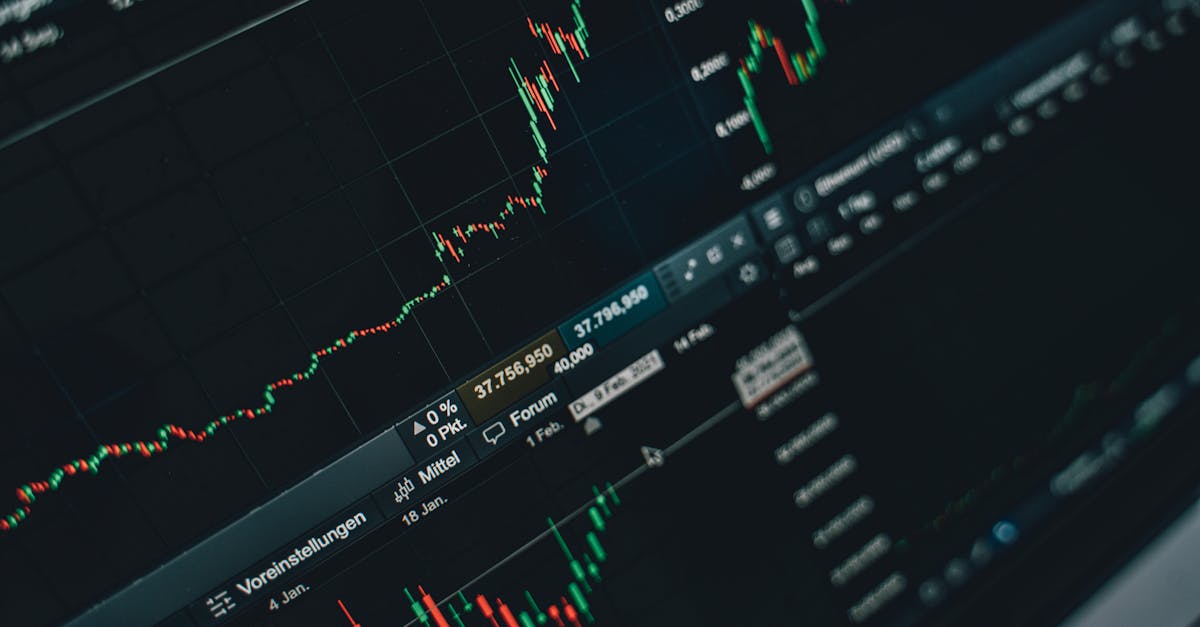
Imagina la Bolsa de Nueva York a las 9:30 a. m. de un lunes. Miles de traders, cada uno con su propia estrategia, compran y venden millones de acciones en cuestión de segundos. Algunos buscan beneficiarse del movimiento de una acción durante la próxima hora, otros durante la próxima semana, mientras que los inversionistas de largo plazo podrían mantener posiciones durante años. Ese es el mundo del trading de acciones.
El trading de acciones es la compra y venta de participaciones de empresas que cotizan públicamente a través de bolsas de valores. A diferencia de la inversión a largo plazo, el trading se enfoca en movimientos de precios de corto plazo para generar ganancias.
La historia de una day trader: Conoce a Sarah, una day trader que compró 1,000 acciones de una empresa tecnológica a $50 por la mañana. Para la hora del almuerzo, la acción había subido a $52 y vendió obteniendo $2,000 de ganancia. Esa misma tarde observó otra acción caer de $30 a $28, por lo que compró 2,000 acciones. Al cierre del mercado se recuperó a $30, ganando otros $4,000. En un solo día Sarah ganó $6,000, pero también sabe que mañana podría enfrentar pérdidas igual de rápido.
La diferencia clave: El trading implica comprar y vender con frecuencia, mientras que invertir generalmente significa comprar y mantener durante períodos prolongados.
Tamaño del mercado: El mercado accionario global está valorado en más de $100 billones, y el mercado estadounidense representa cerca del 40% de la capitalización bursátil mundial según el Banco Mundial.
Primeros pasos: cómo configurar tu cuenta de trading
Paso 1: Elige una casa de bolsa
Factores clave a considerar:
- Comisiones: Muchos brokers ya ofrecen operaciones con acciones sin comisión
- Depósito mínimo: Algunos requieren $0, otros entre $500 y $2,500
- Plataforma de trading: Interfaz fácil de usar y app móvil
- Herramientas de investigación: Acceso a datos de mercado y análisis
- Atención al cliente: Disponibilidad y calidad del soporte
Brokers populares para principiantes:
- Fidelity: $0 de comisión, excelentes herramientas de investigación
- Charles Schwab: $0 de comisión, educación integral
- E*TRADE: $0 de comisión, plataforma avanzada
- TD Ameritrade: $0 de comisión, plataforma thinkorswim
Paso 2: Proceso de apertura de cuenta
Información requerida:
- Datos personales (nombre, dirección, SSN)
- Información financiera (ingresos, patrimonio, experiencia de inversión)
- Objetivos de inversión y tolerancia al riesgo
- Información bancaria para fondear la cuenta
Tipos de cuenta:
- Cuenta de efectivo: Compras acciones solo con dinero disponible
- Cuenta con margen: Pides dinero prestado para comprar acciones (requiere mínimo de $2,000)
- Cuentas de retiro: IRA💡 Definition:A retirement account with tax-deductible contributions that grow tax-deferred until withdrawal in retirement., Roth IRA💡 Definition:A retirement account funded with after-tax dollars that grows tax-free, with tax-free withdrawals in retirement. para trading con beneficios fiscales
Paso 3: Fondea tu cuenta
Métodos de fondeo:
- Transferencia bancaria (1-3 días hábiles)
- Transferencia wire (mismo día)
- Depósito con cheque (3-5 días hábiles)
- Depósito de cheque móvil (1-2 días hábiles)
Comienza pequeño: La mayoría de expertos recomienda iniciar con $1,000-$5,000 para aprender sin asumir demasiado riesgo.
Conceptos básicos del mercado de valores
¿Qué son las acciones?
Definición: Las acciones representan participaciones de propiedad en una empresa. Cuando compras una acción, te conviertes en propietario parcial de ese negocio.
Tipos de acciones:
- Acciones comunes: Derecho a voto, posibles dividendos, apreciación de capital
- Acciones preferentes: Dividendos fijos, sin derecho a voto, mayor prioridad en liquidaciones
Principales bolsas de valores
Bolsa de Nueva York (NYSE):
- Fundada en 1792, la bolsa más grande del mundo
- Alberga empresas blue-chip como Apple, Microsoft, Johnson & Johnson
- Capitalización de mercado: más de $30 billones
NASDAQ:
- Bolsa con enfoque tecnológico
- Alberga empresas como Amazon, Google, Tesla
- Capitalización de mercado: más de $20 billones
Otras bolsas importantes:
- London Stock💡 Definition:Stocks are shares in a company, offering potential growth and dividends to investors. Exchange (LSE)
- Tokyo Stock Exchange (TSE)
- Shanghai Stock Exchange (SSE)
Índices bursátiles
S&P 500: Sigue a 500 empresas estadounidenses de gran capitalización y se considera la mejor representación del mercado accionario de EE. UU. Rendimiento promedio histórico: ~10% anual.
Promedio Industrial Dow Jones (DJIA): Sigue a 30 empresas estadounidenses de gran capitalización, uno de los índices más antiguos.
NASDAQ Composite: Incluye todas las acciones listadas en NASDAQ, con fuerte ponderación tecnológica.
Tipos de órdenes bursátiles
Órdenes de mercado
Qué es: Comprar o vender de inmediato al precio actual del mercado.
Ventajas:
- Ejecución garantizada
- Orden más rápida
- Fácil de usar
Desventajas:
- Sin control sobre el precio
- Podrías obtener peores precios en mercados volátiles
- Riesgo de slippage
Mejor para: Acciones líquidas cuando necesitas ejecución inmediata.
Órdenes limitadas
Qué es: Fijar un precio específico💡 Definition:A three-digit credit score (300-850) calculated by Fair Isaac Corporation, used by lenders to assess creditworthiness. al que estás dispuesto a comprar o vender.
Orden límite de compra: "Comprar 100 acciones de AAPL a $150 o menos" Orden límite de venta: "Vender 100 acciones de AAPL a $160 o más"
Ventajas:
- Control de precio
- Sin slippage
- Útiles en mercados volátiles
Desventajas:
- No garantizan ejecución
- Puedes perder oportunidades
Mejor para: Cuando tienes un precio objetivo concreto.
Órdenes stop
Orden stop-loss: Vende automáticamente si el precio cae a cierto nivel para limitar pérdidas.
Orden stop-limit: Combina órdenes stop y limit para mayor control.
Ejemplo: "Vender AAPL si cae a $140, pero no por debajo de $135"
Otros tipos de órdenes
Órdenes del día: Expiran al final de la jornada bursátil Good-till-canceled (GTC): Permanecen activas hasta que se ejecutan o cancelan All-or-none (AON): Se ejecuta toda la orden o nada Immediate-or-cancel (IOC): Se ejecuta de inmediato o se cancela el remanente
Análisis fundamental
Entender los estados financieros
Estado de resultados: Muestra ingresos, gastos y utilidades en un período.
Métricas clave:
- Ingresos: Ventas totales
- Utilidad neta: Ganancia después de todos los gastos
- EPS💡 Definition:Earnings Per Share (EPS) measures a company's profitability, indicating how much profit is allocated to each outstanding share. (ganancia por acción): Utilidad neta ÷ acciones en circulación
- Relación P/U: Precio de la acción ÷ ganancia por acción
Balance general: Muestra activos, pasivos y patrimonio en un momento específico.
Métricas clave:
- Activos totales: Todo lo que posee la empresa
- Pasivos totales: Todo lo que debe la empresa
- Patrimonio de los accionistas: Activos menos pasivos
- Relación deuda-capital: Deuda total ÷ patrimonio de los accionistas
Estado de flujo de efectivo: Muestra entradas y salidas de efectivo.
Métricas clave:
- Flujo de efectivo operativo: Efectivo de las operaciones del negocio
- Flujo de efectivo libre: Flujo operativo menos gastos de capital
- Flujo de efectivo por acción: Flujo de efectivo libre ÷ acciones en circulación
Principales razones financieras
Razones de rentabilidad:
- Margen bruto: (Ingresos - Costo de ventas) ÷ Ingresos
- Margen operativo: Utilidad operativa ÷ Ingresos
- Margen neto: Utilidad neta ÷ Ingresos
- ROE (rendimiento sobre el capital): Utilidad neta ÷ patrimonio de los accionistas
Razones de valuación:
- Relación P/U: Precio de la acción ÷ ganancia por acción
- Relación PEG: P/U ÷ tasa de crecimiento de ganancias
- Precio-ventas (P/S): Capitalización de mercado ÷ ingresos
- Precio-valor en libros (P/B): Precio de la acción ÷ valor en libros por acción
Razones de liquidez:
- Razón corriente: Activos corrientes ÷ pasivos corrientes
- Razón rápida: (Activos corrientes - inventario) ÷ pasivos corrientes
Análisis técnico
Patrones en gráficos
Soportes y resistencias:
- Soporte: Nivel de precio donde la demanda de compra es fuerte
- Resistencia: Nivel donde la presión vendedora es fuerte
Líneas de tendencia:
- Tendencia alcista: Serie de máximos y mínimos crecientes
- Tendencia bajista: Serie de máximos y mínimos decrecientes
- Lateral: Movimiento horizontal del precio
Patrones comunes:
- Hombro-cabeza-hombro: Patrón de reversión
- Doble techo/fondo: Patrones de reversión
- Triángulos: Patrones de continuación
- Banderas y banderines: Patrones de continuación de corto plazo
Indicadores técnicos
Medias móviles:
- Media móvil simple (SMA): Precio promedio durante un período
- Media móvil exponencial (EMA): Da más peso a los precios recientes
- Golden Cross: La media de 50 días cruza por encima de la de 200 días (alcista)
- Death Cross: La media de 50 días cruza por debajo de la de 200 días (bajista)
Indicadores de momentum:
- RSI (Índice de Fuerza Relativa): Mide condiciones de sobrecompra/sobreventa (0-100)
- MACD (Convergencia/Divergencia de Medias Móviles): Muestra cambios de tendencia
- Oscilador estocástico: Compara el precio de cierre con el rango de precios
Indicadores de volumen:
- Volumen: Número de acciones negociadas
- On-Balance Volume (OBV): Indicador acumulativo de volumen
- Tasa de cambio de volumen: Mide el momentum del volumen
Gestión del riesgo
Dimensionamiento de posiciones
La regla del 2%: Nunca arriesgues más del 2% de tu cuenta en una sola operación.
Ejemplo: Si tienes $10,000, arriesga como máximo $200 por operación.
Cálculo del tamaño de la posición: Tamaño de la posición = (Valor de la cuenta × % de riesgo) ÷ (Precio de entrada - Stop loss)
Stops de pérdida
Tipos de stop loss:
- Porcentaje fijo: Siempre 5% por debajo del precio de entrada
- Basado en soporte: Debajo de niveles clave de soporte
- Basado en volatilidad: Se apoya en el promedio del rango verdadero (ATR)
- Stops móviles: Se ajustan conforme el precio avanza a tu favor
Diversificación
No pongas todos los huevos en la misma canasta:
- Diversificación por sector: Distribuye en distintas industrias
- Diversificación por capitalización: Mezcla acciones large, mid y small cap
- Diversificación geográfica: Acciones de EE. UU. e internacionales
- Diversificación por clase de activo: Acciones, bonos, materias primas
Estrategias de trading comunes
Day trading
Definición: Comprar y vender acciones dentro de la misma jornada bursátil.
Requisitos:
- Regla del Pattern Day Trader (PDT): mínimo de $25,000 en la cuenta
- Alta tolerancia al riesgo
- Fuerte dedicación de tiempo
- Gran control emocional
Pros:
- Sin riesgo de mantener posiciones de un día para otro
- Posibilidad de ganancias rápidas
- Sin intereses por margen
Contras:
- Alto estrés
- Requiere capital significativo
- Costos de transacción elevados
- Difícil obtener ganancias consistentes
Swing trading
Definición: Mantener posiciones durante días o semanas.
Marco temporal: Normalmente de 2 a 30 días
Pros:
- Menos demandante de tiempo que el day trading
- Puede capturar movimientos de precio más grandes
- Menores costos de transacción
- Más tiempo para analizar
Contras:
- Riesgo de mantener posiciones durante la noche
- Requiere paciencia
- Debes monitorear las posiciones
Position trading
Definición: Mantener posiciones durante semanas o meses.
Marco temporal: Normalmente de 1 a 6 meses
Pros:
- Menor compromiso de tiempo
- Costos de transacción más bajos
- Puede capturar tendencias mayores
- Menos estrés emocional
Contras:
- Mayor exposición a riesgos de largo plazo
- Requiere paciencia
- Necesita análisis fundamental sólido
Errores comunes de los principiantes
1. Sobreoperar
Problema: Operar con demasiada frecuencia, lo que genera altos costos y malas decisiones.
Solución: Ten una estrategia clara y cúmplela. Calidad sobre cantidad.
2. Operar con emociones
Problema: Tomar decisiones basadas en el miedo, la codicia o el FOMO (miedo a quedarse fuera).
Solución: Desarrolla un enfoque sistemático y respeta tus reglas.
3. No usar stops de pérdida
Problema: Dejar correr las pérdidas mientras se toman ganancias rápidamente.
Solución: Usa siempre stop loss y deja correr a los ganadores.
4. Perseguir acciones calientes
Problema: Comprar acciones que ya han subido con fuerza.
Solución: Busca valor y evita decisiones impulsadas por el FOMO.
5. Ignorar la gestión del riesgo
Problema: Arriesgar demasiado en operaciones individuales.
Solución: Sigue la regla del 2% y diversifica tus posiciones.
Empezar: tus primeras operaciones
Paso 1: Comienza con paper trading
Beneficios:
- Aprende sin riesgo financiero
- Prueba tus estrategias
- Entiende las funciones de la plataforma
- Construye confianza
Duración recomendada: Mínimo de 1 a 3 meses
Paso 2: Empieza con dinero real de forma gradual
Capital inicial: $1,000-$5,000 Tamaño de posición: $100-$500 por operación Enfoque: Aprender y ganar experiencia
Paso 3: Desarrolla tu estrategia
Elige tu enfoque:
- Análisis fundamental: Enfócate en los estados financieros de la empresa
- Análisis técnico: Enfócate en gráficos y patrones
- Enfoque híbrido: Combina ambos métodos
Paso 4: Lleva un diario de trading
Registra:
- Precios de entrada y salida
- Motivo de cada operación
- Estado emocional
- Lecciones aprendidas
- Métricas de desempeño
Conclusión
Operar con acciones puede ser rentable, pero no es fácil. El éxito requiere:
✅ Educación: Aprendizaje continuo sobre mercados y estrategias ✅ Disciplina: Seguir tus reglas de forma consistente ✅ Gestión del riesgo: Proteger tu capital por encima de todo ✅ Paciencia: Esperar las oportunidades correctas ✅ Control emocional: No dejes que el miedo o la codicia dirijan tus decisiones
Recuerda: La mayoría de los traders pierde dinero, especialmente los principiantes. Empieza con poco, aprende de forma continua y nunca arriesgues más de lo que puedes permitirte perder.
¿Listo para comenzar tu camino en el trading? Considera usar nuestra Calculadora de Rendimientos Accionarios para analizar operaciones potenciales, o explora nuestra herramienta Impacto del Rebalanceo de Portafolio para comprender estrategias de gestión del riesgo.
La clave del éxito: Enfócate en aprender, gestionar el riesgo y desarrollar un enfoque sistemático. El trading es un maratón, no una carrera de velocidad.
See what our calculators can do for you
Ready to take control of your finances?
Explore our free financial calculators and tools to start making informed decisions today.
Explore Our ToolsRelated Tools
Continue your financial journey with these related calculators and tools.
Roi Calculator
Open this calculator to explore detailed scenarios.
Asset Allocation
Open this calculator to explore detailed scenarios.
Investment Risk Stress Test
Open this calculator to explore detailed scenarios.
Portfolio Rebalancer
Open this calculator to explore detailed scenarios.