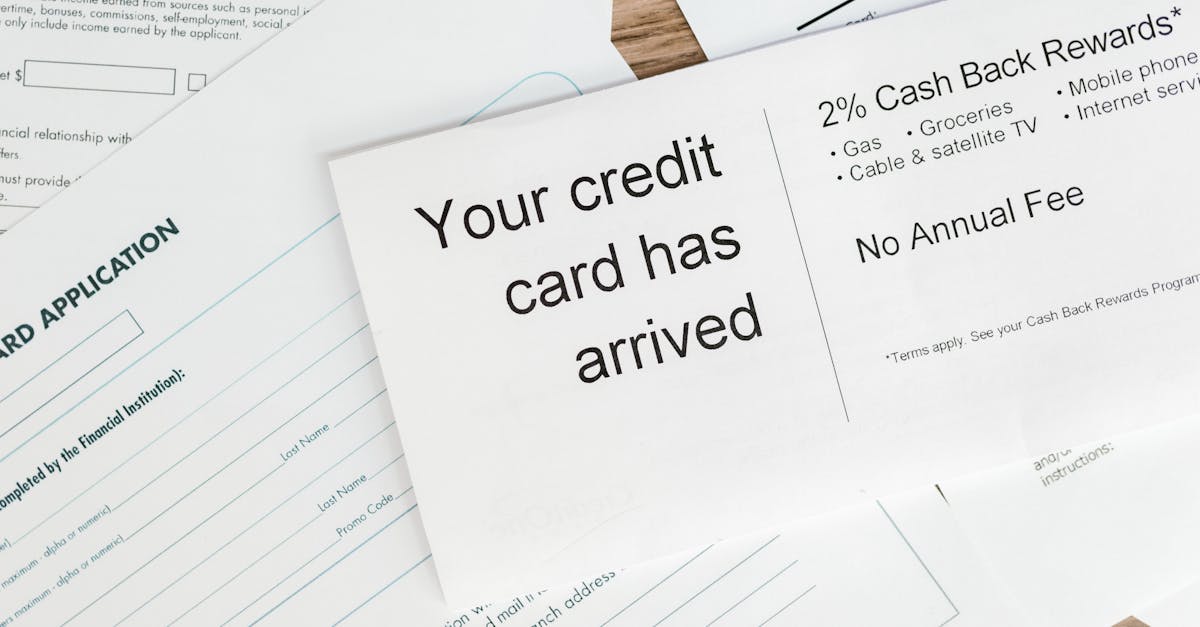
Are annual‑fee cards worth it?
Only if perks + rewards exceed the fee. Examples: $95 cards often break even around $3k–$5k annual spend in bonus categories; premium cards require heavy travel and credit use of credits.
Read moreExpert advice, practical tips, and actionable strategies to help you achieve financial freedom.
Page 38 of 74
Showing 667-684 of 1325 articles
← Back to all articlesOnly if perks + rewards exceed the fee. Examples: $95 cards often break even around $3k–$5k annual spend in bonus categories; premium cards require heavy travel and credit use of credits.
Read moreThis simulator uses industry-standard FICO scoring factors where credit utilization accounts for 30% of your score. While actual score changes depend on your complete credit profile, our estimates ...
Read moreYes! The calculator shows how closing a card reduces your total available credit and increases your utilization ratio. For example, if you close a $5,000 limit card while carrying balances on other...
Read moreCredit utilization changes typically appear on your score within 1-2 billing cycles (30-60 days). Most card issuers report to credit bureaus once per month when your statement closes. To speed this...
Read moreLower your credit utilization below 30%, ideally below 10%. This has immediate impact within 30-60 days. Quick wins: (1) Pay down high-balance cards, (2) Request credit limit increases to lower uti...
Read moreNo, this is a myth! You don't need to carry a balance or pay interest to build credit. Paying your statement balance in full each month (showing $0 balance after payment) is ideal. What matters is ...
Read moreCredit score simulators provide directional estimates based on known FICO factors (payment history 35%, utilization 30%, credit age 15%, new credit 10%, credit mix 10%), but actual scores vary by m...
Read morePayment history (35%) and credit utilization (30%) drive 65% of your score. A single 30-day late payment can drop your score 60-110 points. Credit utilization above 30% hurts significantly—dropping...
Read moreTimeline depends on the action: paying down credit cards shows impact in 30-45 days (when lenders report), becoming an authorized user works in 30 days, disputing errors takes 30-45 days. Recoverin...
Read moreKeep them open, especially your oldest cards. Closing cards hurts your score two ways: it reduces total available credit (increasing utilization) and lowers average account age. If there's an annua...
Read moreUtilization is 30% of your score and responds quickly. Keep total utilization below 30% (under 10% is ideal for excellent scores). For example, with $10,000 total credit limit: using $5,000 (50% ut...
Read moreCredit scores (FICO and VantageScore) are calculated using five main factors: (1) Payment history (35%) - whether you pay bills on time, (2) Credit utilization (30%) - how much credit you're using ...
Read moreActions that IMPROVE your score: (1) Paying all bills on time every month (most important), (2) Paying down credit card balances to reduce utilization below 30%, ideally below 10%, (3) Keeping old ...
Read moreThe simulator shows potential score changes based on hypothetical actions, not guarantees. Here's how to interpret results: (1) Score ranges: 800+ is exceptional, 740-799 is very good, 670-739 is g...
Read moreCredit score updates depend on when creditors report to credit bureaus: (1) Payment activity: Most creditors report monthly, usually around your statement closing date, so changes appear 30-45 days...
Read moreQuick-win strategies (1-3 months): (1) Pay down credit card balances below 30% utilization - this can boost scores 20-50+ points rapidly, (2) Become an authorized user on a family member's card wit...
Read moreMYTH 1: "Checking my credit hurts my score" - FALSE. Checking your own credit (soft inquiry) never hurts your score. Only hard inquiries from credit applications have a small temporary impact. MYTH...
Read moreCredit utilization is the ratio of your credit card balances to credit limits, and it's the second-most important factor in your credit score (30% weighting). It's calculated both per-card and over...
Read more