
•Financial Toolset Team
Is it too late to invest if I already spent the money?
No. The right takeaway is to redirect future discretionary spending to investments you value. Small recurring contributions compound meaningfully over years.
Read more
Expert advice, practical tips, and actionable strategies to help you achieve financial freedom.
Page 55 of 74
Showing 973-990 of 1327 articles
← Back to all articlesNo. The right takeaway is to redirect future discretionary spending to investments you value. Small recurring contributions compound meaningfully over years.
Read more
Brokerage fees are now minimal, but taxes can reduce returns. Consider tax-advantaged accounts (401(k), IRA) and long-term holding periods to lower tax drag.
Read more
Using the 4% rule, $1,000,000 supports about $40,000 per year pre‑tax (≈$3,333/month). A 3% rate yields $30,000/year; a dividend-only 3.5% yield gives ≈$35,000/year. Actual sustainable income depen...
Read more
Research suggests 3.5–4% remains reasonable for 30‑year retirements with diversified portfolios, but flexibility helps. Dynamic guardrails and temporary cuts after large drawdowns can improve succe...
Read more
Withdrawals from tax‑deferred accounts are taxed as ordinary income, while qualified dividends/long‑term gains may be taxed at lower rates. Your effective tax rate (e.g., 12–24%) reduces take‑home ...
Read more
Use the Reverse Calculator to see the portfolio size required for your target at your chosen withdrawal rate. For example, $5,000/month at 4% requires roughly $1.5M; at 3% it requires about $2.0M.
Read more
A stress test simulates how your portfolio might perform during historical crises (e.g., 2008, COVID‑19). It highlights potential drawdowns and recovery times to assess resilience and suitability.
Read more
Historically, diversified stock portfolios have experienced drawdowns of 30–50% in severe bear markets. Balanced 60/40 portfolios often see smaller drawdowns (~20–35%), depending on the period.
Read more
Increase diversification (add bonds, international, real assets), use rebalancing bands, and ensure your equity allocation matches your risk tolerance and time horizon.
Read more
Avoid panic selling. Ensure your emergency fund is adequate, rebalance to targets if within your plan, and focus on long‑term goals. Knee‑jerk shifts often lock in losses.
Read more
Recoveries vary. After the Global Financial Crisis, U.S. equities recovered in ~4–6 years depending on the index; COVID‑19 recovered faster. Balanced portfolios typically recover quicker than all‑e...
Read more
Typical APR ranges: Excellent credit ~6–9%, Good ~9–12%, Fair ~12–16%, while subprime can exceed 16%. Manufacturer promos can temporarily lower rates or offer 0% for short terms.
Read more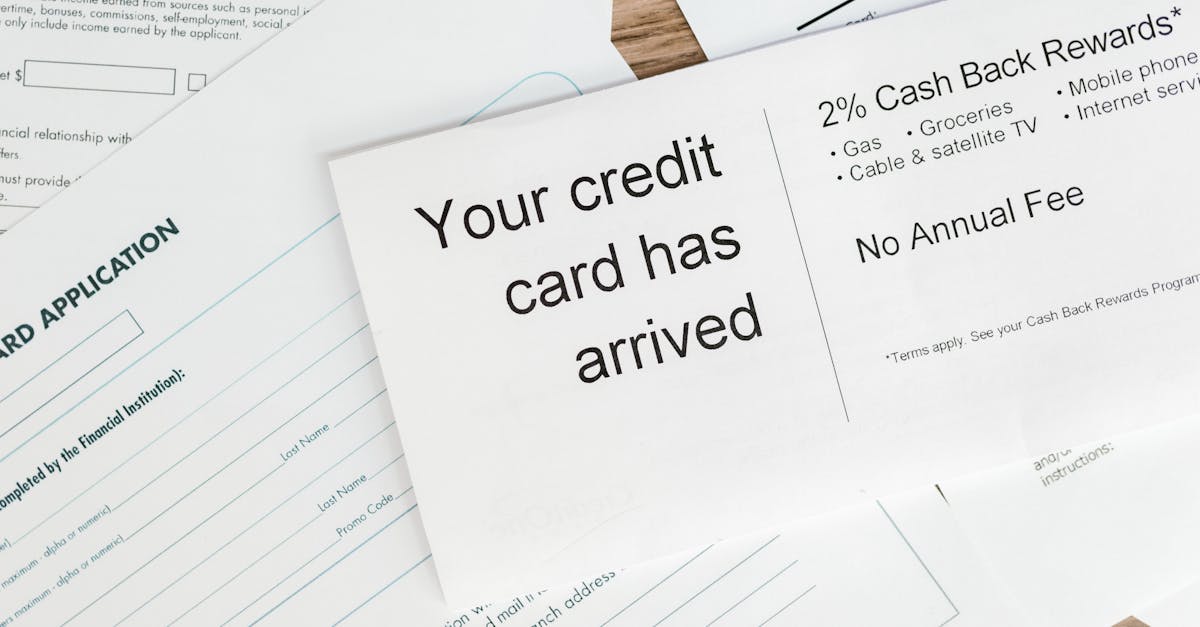
Most PWC loans run 12–60 months. Shorter terms reduce total interest, while longer terms lower the monthly payment but increase total interest cost.
Read more
Off‑season (Sep–Feb) typically offers 10–20% dealer discounts and occasional 0% APR promotions as dealers clear inventory before winter.
Read more
Expect roughly $1,100–$3,900/year including insurance ($200–$600), storage ($360–$1,800), maintenance ($200–$500), fuel ($300–$800), and registration ($50–$200).
Read more
Many used PWCs exclude trailers. Budget $1,500–$2,000 for single and $2,500–$3,500 for double trailers; used units can be $800–$1,500 if in good condition.
Read more
Common guidelines suggest 10-15x your annual income, but comprehensive needs-based analysis is more accurate. This calculator uses multiple proven methods: DIME (Debt + Income + Mortgage + Educatio...
Read more
Term life provides pure death benefit protection for 10, 20, or 30 years at very affordable rates ($25-50/month for $500K coverage for a healthy 35-year-old). Whole life costs 10-15x more but build...
Read more